
Understanding the psychology behind gambling behavior in a casino setting
The Thrill of Uncertainty
One of the primary factors driving gambling behavior in a casino setting is the thrill of uncertainty. This element of unpredictability evokes excitement, leading players to believe they could win at any moment. The anticipation that accompanies placing a bet or spinning a slot machine can be intoxicating. This emotional high can often override logical reasoning, encouraging gamblers to place larger bets or continue playing beyond their initial budget. Many players are discovering the benefits of opting for payid casinos, which allow for quick transactions and withdrawals.
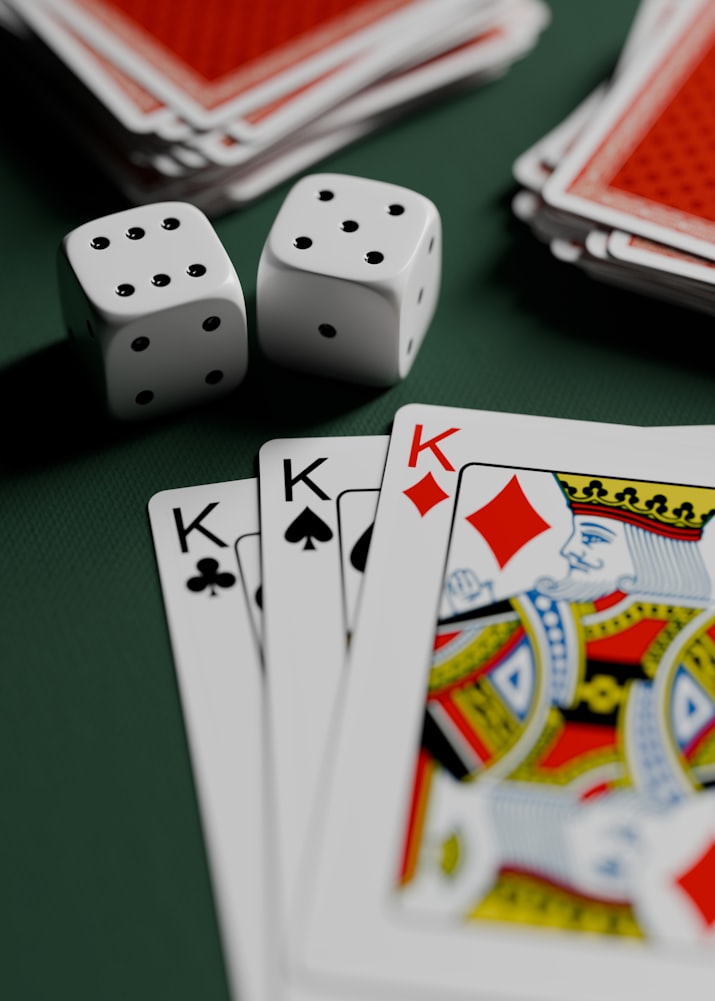
The psychology behind this thrill is closely related to the concept of intermittent reinforcement, a principle observed in behavioral psychology. This refers to the unpredictable nature of wins, where players experience occasional payouts that keep them engaged. When victories happen sporadically, they become more memorable and reinforce the desire to play, as each session holds the potential for a significant win.
Moreover, the design of casino games often amplifies this thrill. Bright lights, engaging sounds, and elaborate themes contribute to an immersive experience that captivates players. Casinos employ these sensory elements to enhance the emotional impact of gambling, making it difficult for individuals to resist the lure of playing just one more game. Understanding this interplay of excitement and design is crucial for anyone looking to comprehend gambling behavior in a casino environment.
The Role of Social Influences
Social influences play a significant role in shaping gambling behavior, particularly in a casino setting where interaction with others is commonplace. Being in a lively, social environment can enhance the appeal of gambling, making players feel more comfortable and inclined to join in. Observing others winning or celebrating can trigger emotions such as FOMO (fear of missing out), prompting individuals to engage in gambling activities even when they might not have planned to do so. Understanding the social dynamics can provide insight into why certain individuals frequent casinos more often.
Group dynamics also contribute to gambling behavior. When individuals gamble together, they may feel a sense of camaraderie that reinforces their decisions. This communal aspect can create an atmosphere where the social pressure to participate becomes a driving factor. For example, if a friend encourages someone to join them at the tables, that person may feel compelled to gamble, often justifying their actions through the influence of their peers.
Additionally, casinos often host events and tournaments designed to attract groups of players. These gatherings capitalize on the social aspect of gambling, encouraging individuals to spend more time and money in the casino. The combination of shared experiences and competition can elevate the overall excitement, further entrenching players in the gambling experience and affecting their behavior significantly.
The Impact of Cognitive Biases
Cognitive biases are systematic patterns of deviation from norm or rationality in judgment, and they play a crucial role in gambling behavior. One prevalent bias in the context of casinos is the “gambler’s fallacy,” the belief that past events can influence future outcomes. For instance, a player might think that a slot machine is due for a payout after a series of losses, leading them to make ill-informed betting decisions based on incorrect assumptions.
This cognitive distortion can result in chasing losses, where gamblers continue to bet in hopes of recouping their previous losses. This behavior is often fueled by the emotional high experienced during gambling, as players become entrenched in a cycle of hope and disappointment. Awareness of such biases is essential, as they can lead to significant financial consequences and impact a player’s overall gambling behavior.
Furthermore, the framing of odds and information in casinos can also exploit these cognitive biases. For example, presenting a game as having a high return-to-player percentage may lead gamblers to overestimate their chances of winning. Casinos often use this strategic framing to their advantage, creating an environment that fosters the belief that winning is more likely than it realistically is. Understanding these biases is vital for both players and casino operators in navigating the gambling landscape.
The Emotional and Psychological Effects of Gambling
Gambling has profound emotional and psychological effects that can vary from exhilarating highs to devastating lows. For many players, the initial excitement of winning can lead to a rush of dopamine, creating a sense of euphoria. However, this can quickly shift to stress and anxiety, especially when losses accumulate. The rollercoaster of emotions is a hallmark of the gambling experience, often leaving players feeling vulnerable and in need of emotional support.
Furthermore, the psychological impact of gambling can lead to addiction for some individuals. As they seek to replicate the initial thrill of winning, they may find themselves engaging in riskier behavior or betting larger amounts. This compulsion can spiral out of control, affecting not only the individual’s finances but also their relationships and mental health. Awareness of these risks is crucial for both players and those who care about them.
Moreover, the casino environment is designed to heighten these emotional experiences. The ambiance, the interactions, and the sheer intensity of the activity can push players into a heightened emotional state, making it challenging to step back and assess their actions. Understanding these emotional dynamics is critical for anyone wanting to grasp the complexities of gambling behavior within a casino setting.

Understanding Casino Operations and Player Behavior
Casinos are meticulously designed to optimize player engagement and maximize revenue. From the layout to the lighting, every aspect of a casino is carefully planned to encourage prolonged gambling behavior. For instance, the absence of clocks and windows creates a disorienting environment where players lose track of time, often leading them to stay longer than intended. This calculated design reflects an in-depth understanding of human psychology and gambling behavior.
Additionally, casinos often employ various promotional strategies to enhance player loyalty and spending. Reward programs, free play, and complimentary services are all tools designed to keep players coming back. By fostering a sense of belonging and appreciation, casinos can create an emotional connection that encourages repeat visits and continued gambling behavior.
Ultimately, the interplay between casino operations and player psychology is a fascinating area of study. Understanding how design, promotions, and the overall gambling environment influence behavior can provide insights for both players and operators. Recognizing these factors can empower players to make informed decisions and navigate their gambling experiences with greater awareness.
